Untitled

This little girl was 10 years old in this school picture.
It was the first year my mother stopped drinking alcohol.
It was also the first year I did.
For the first ten years of my life, alcohol was a staple in our home. Chaos felt normal. Unpredictability was familiar. Looking back, I realize I spent much of my childhood learning how to read a room, anticipate moods, and survive circumstances no child should have to navigate.
When my mother stopped drinking, people might assume life got better.
It didn't.
In many ways, it became harder.
While alcohol had created chaos, it had also created unpredictability. There were moments of freedom. Moments when I could disappear into the background unnoticed.
When the drinking stopped, that freedom disappeared too.
The house became sober, but it did not become safe.
I spent more time isolated. More time confined. More time carrying emotions and experiences I didn't have the words for.
It was one of the first lessons I would learn about healing:
Sobriety and healing are not the same thing.
The drinking stopped.
The pain didn't.
The abuse didn't.
The fear didn't.
Healing had barely begun.
As I grew older, I carried wounds I didn't know how to name and burdens I wasn't equipped to carry. Like so many people who grow up in chaos, I searched for escape before I ever found healing.
Drugs.
Alcohol.
Survival.
Anything that helped me avoid feeling what lived beneath the surface.
By nineteen, I had hit my own bottom.
At the time, it felt like the end of the story.
It wasn't.
It was the beginning.
Recovery became far more than putting substances down. It became a journey of learning who I was underneath the trauma, the fear, the shame, and the survival strategies that had once kept me alive.
It became a journey of breaking generational chains I never asked to inherit.
A journey of learning that surviving pain and healing from it are two very different things.
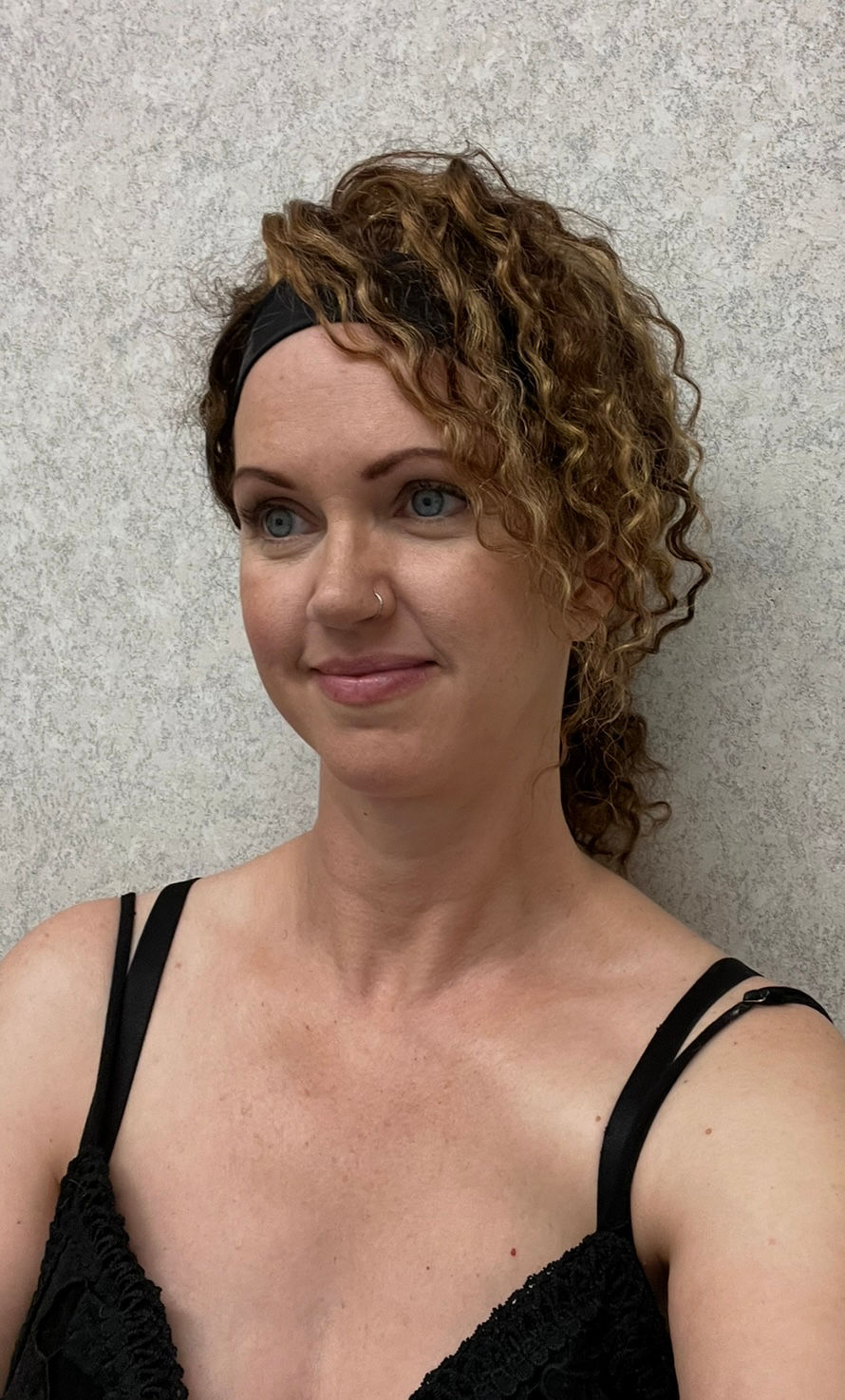
Today, when I look at this little girl, I don't just see what she survived.
I see the woman she became:
A mother.
A woman in recovery.
An author.
A speaker.
A cycle breaker.
I see laughter where there was once fear.
Joy where there was once survival.
Love where there was once loneliness.
I see friendships, community, purpose, and a life I never could have imagined when this school picture was taken.
Most of all, I see proof that our stories do not have to end where they begin.
It transforms our relationship with it.
This little girl eventually found her voice in Emancipated Blooms.
And if there is one thing I hope people take from my story, it is this:
The cycles handed to us do not have to be the cycles we pass on.

With love and fire,
Amara


Comments